Most people don't give their water heater a second thought until the morning it hands them a cold shower. Or until they walk downstairs and find an inch of water spreading across the basement floor. That's when you call us. Mideastern repairs and replaces gas, propane and electric water heaters and installs tankless systems for homes and businesses throughout Clinton, Bond, Marion and Washington Counties. We work on every make, and we install brands like A.O. Smith, Rinnai, Navien, Lochinvar and Bosch.
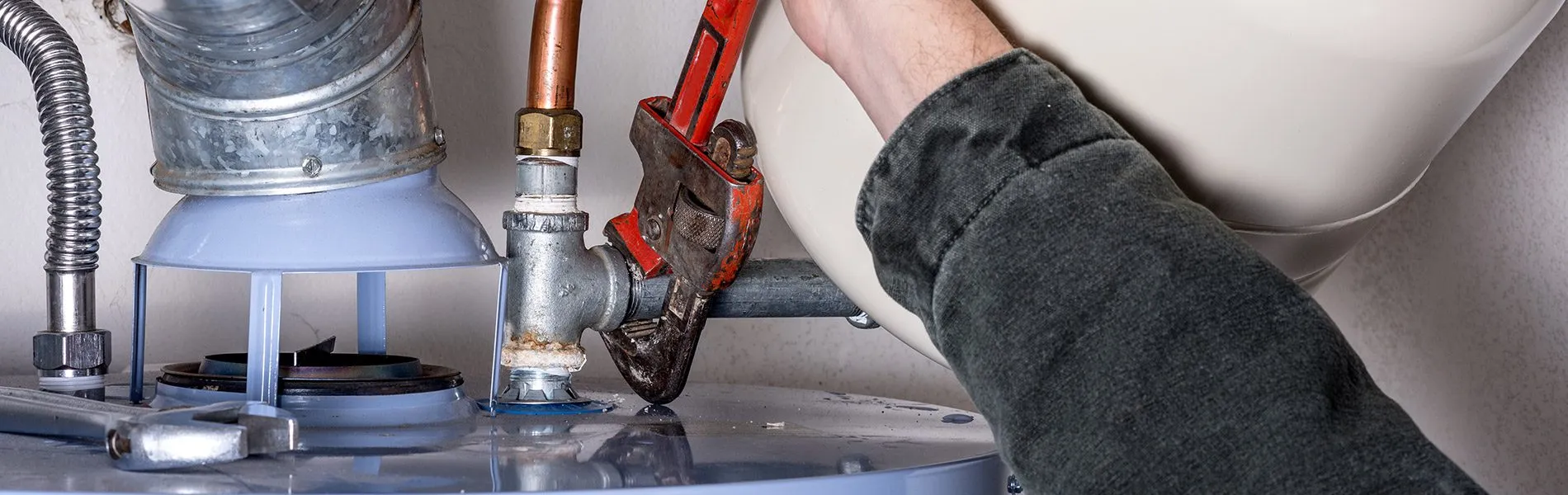
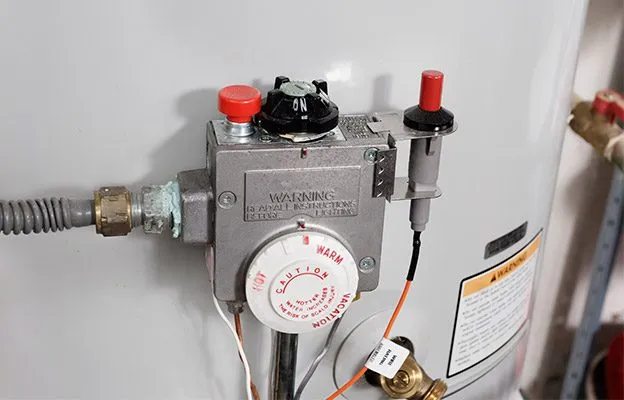
A tank heater keeps 30 to 80 gallons hot and waiting. It’s still the most common setup around here, and it’s usually the least expensive to put in.
Natural gas is what you’ll find in most in-town homes in Carlyle, Breese, Centralia and Salem. It heats fast and bounces back quickly after a run of showers and a load of laundry. Out in the country, propane (LP) does the same job for homes that aren’t on a gas main. The heater has to be LP-rated, and switching a unit from one fuel to the other is a job for a qualified tech, not a weekend project.
Electric heaters don’t need venting or a gas line, so they fit just about anywhere. The tradeoff is slower recovery once the tank runs low.
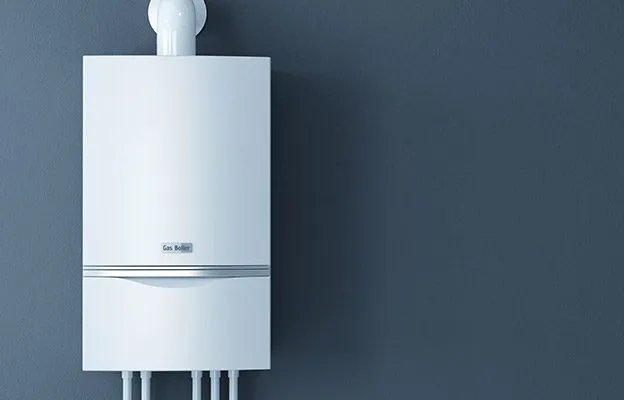
A tankless unit heats water only while it’s flowing. You’re not paying to keep 50 gallons hot while you’re at work, and nobody runs out of hot water halfway through a shower. We install and service gas, LP and electric tankless models, including Rinnai and Navien.
The part people get wrong is sizing. A tankless heater is rated by how many gallons per minute it can heat and how many degrees it can raise the temperature. Our groundwater comes in cold in January. A unit that keeps up fine in July can fall behind on a winter morning when two showers and the dishwasher are going at once. We size it to how your household actually uses water.
Going tankless is also more involved than swapping one tank for another. Gas and LP units often need a larger gas line and new venting, because they burn a lot of fuel in a short burst. Electric tankless models can draw a big share of a home’s electrical service, so we look at your panel before we ever recommend one. Plan on descaling every so often too, especially if your water is hard.
| Tank | Tankless | |
|---|---|---|
| Upfront cost | Lower | Higher, plus any gas line, venting or electrical work |
| Hot water supply | Until the tank runs low, then a wait | Continuous, within the unit’s flow rating |
| Typical lifespan | About 8–12 years | Often 20 years with maintenance |
| Space | Needs floor space | Compact, mounts on the wall |
| Energy use | Keeps water hot around the clock | Heats only when you open a tap |
Call for a repair, a replacement or a tankless estimate. Office hours are Monday–Friday, 8:00 AM–3:30 PM, and emergency service is available 24/7.
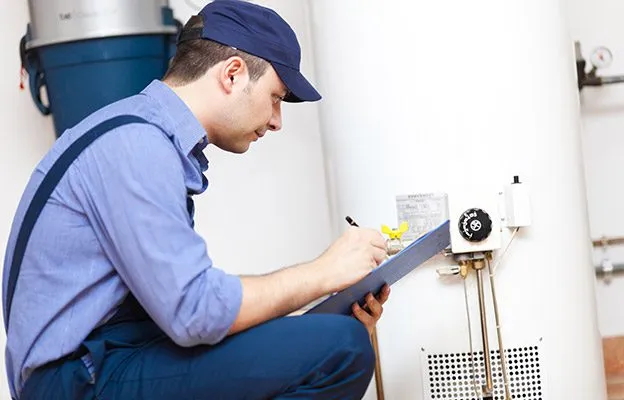
A tank that’s leaking from the body is done. There’s no repairing that. Most other symptoms could go either way: rusty-looking hot water, popping and rumbling from sediment, hot water that runs out sooner than it used to, or a pilot that won’t stay lit. Often the culprit is a single part, like a thermostat, heating element, thermocouple, gas valve or anode rod.
Our rule of thumb: if the heater is under about eight years old, fixing it usually makes sense. Past ten, that repair money is often better spent on a new unit. The manufacture date is on the label, usually built into the serial number, and we’re glad to read it for you.
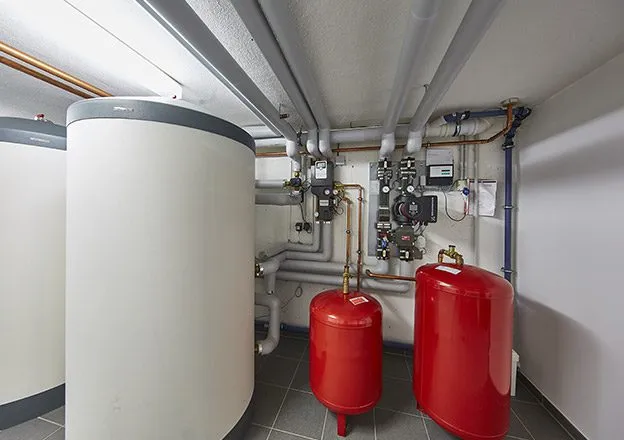
Beyond repairs and replacements, we handle tank-to-tankless conversions, gas and LP line installation, tank flushing, anode rod replacement and tankless descaling. For commercial buildings, we install and service commercial water heaters and boilers, including Lochinvar.
A tank heater typically lasts 8–12 years. A tankless unit can go about 20 if it’s descaled regularly. Hard water and skipped maintenance shorten the life of either one.
It costs more upfront, but it lasts longer, saves space and doesn’t run out of hot water. It pays off best for larger households and owners who plan to stay put.
Yes. We install LP tank and tankless water heaters for rural homes and farms throughout our four-county area and connect them to your existing propane supply.