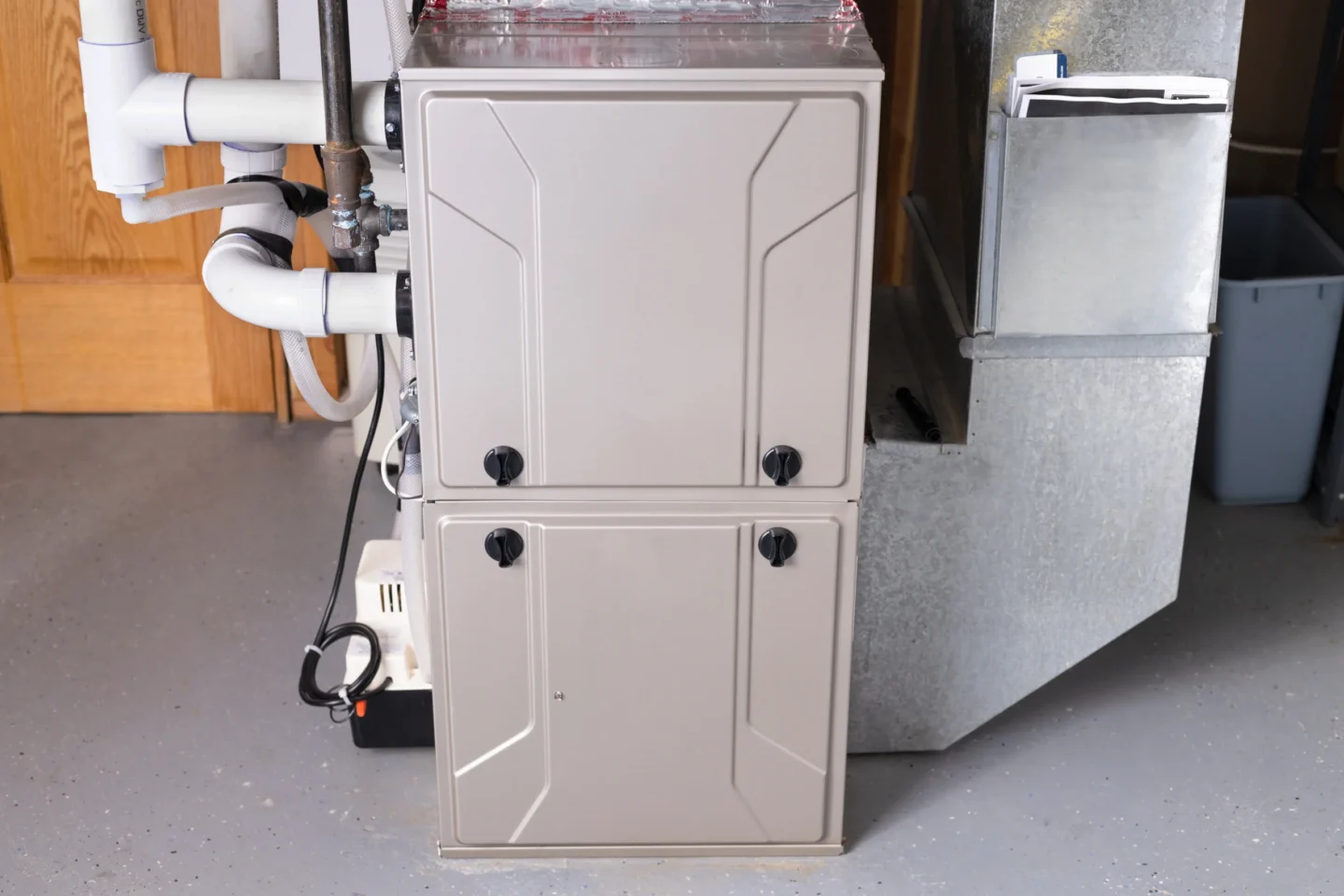
When the temperatures drop in Nashville, IL, you expect your furnace to run smoothly and consistently. So when it starts cycling on and off every few minutes, it’s frustrating—and often a warning sign that something isn’t working the way it should. This issue, known as short cycling, can reduce efficiency, increase wear and tear, and leave your home less comfortable. Understanding what causes it can help you decide whether it’s a simple fix or time to call a professional.
Dirty or Clogged Air Filters
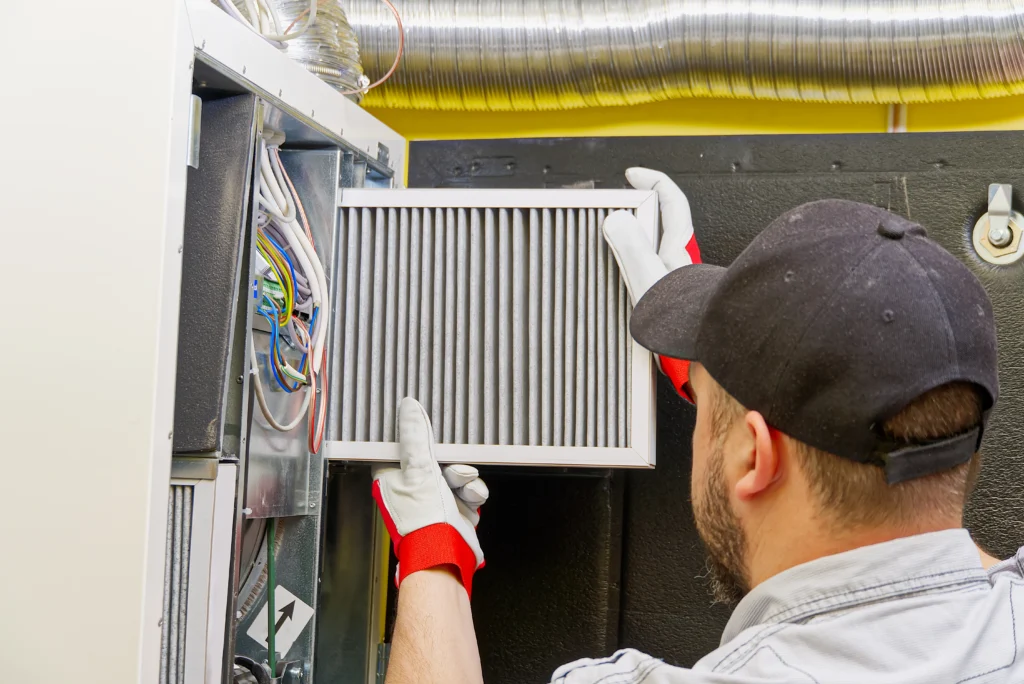
One of the most common reasons for rapid on-and-off cycling is a dirty air filter. When the filter is packed with dust and debris, it restricts airflow. This forces the furnace to work harder to push warm air through your ducts. As the system overheats, the safety controls shut it down, causing it to restart once things cool down. Replacing or cleaning your filter every one to three months can often solve the problem.
Thermostat Issues
If your thermostat isn’t reading temperatures correctly, your furnace may switch on and off more frequently than necessary. A thermostat placed near windows, vents, or heat-producing appliances can get inaccurate readings, confusing the system. Dead batteries, faulty wiring, or outdated thermostat models can also contribute to short cycling. Sometimes, upgrading to a programmable or smart thermostat gives you better control and helps the furnace maintain stable temperatures throughout your Nashville home.
Blocked or Closed Vents
Warm air needs a clear path to move through your house. When supply or return vents are blocked by furniture, rugs, or debris, pressure inside the system increases. Your furnace reacts by shutting off early to prevent damage. A quick walkthrough to ensure vents are fully open and unobstructed can improve airflow and reduce short cycling.
Overheating Heat Exchanger
The heat exchanger plays a critical role in how your furnace operates. When it overheats, your system will shut down to avoid a dangerous situation. Restricted airflow, aging components, or internal buildup can make the exchanger run hotter than normal. This is not something to overlook—an overheating heat exchanger can crack, leading to carbon monoxide concerns. If short cycling continues after checking filters and vents, contacting an HVAC technician is essential.
Improper Furnace Size
A furnace that is too large for your Nashville, IL home may heat the space so quickly that it shuts off before completing a full heating cycle. Although this may sound convenient, it creates constant starting and stopping, which strains the system and shortens its lifespan. On the other hand, an undersized furnace may struggle to keep up, causing erratic cycling as it attempts to maintain temperature. Proper sizing during installation is crucial for steady performance and energy efficiency.
Faulty Flame Sensor
The flame sensor ensures the burner is working safely. If it’s coated in dirt or corrosion, it may not detect the flame properly. As a result, it signals the furnace to shut down even though nothing dangerous is happening. Cleaning or replacing a flame sensor is typically a quick fix for an HVAC professional and can immediately reduce short cycling.
Low Refrigerant Levels in Heat Pumps
Homes equipped with heat pumps can experience short cycling when refrigerant levels get too low. Low refrigerant forces the system to struggle during the heating cycle, causing repeated shut-offs. Since handling refrigerant requires certification, this is another issue best left to a trained technician.
Malfunctioning Limit Switch
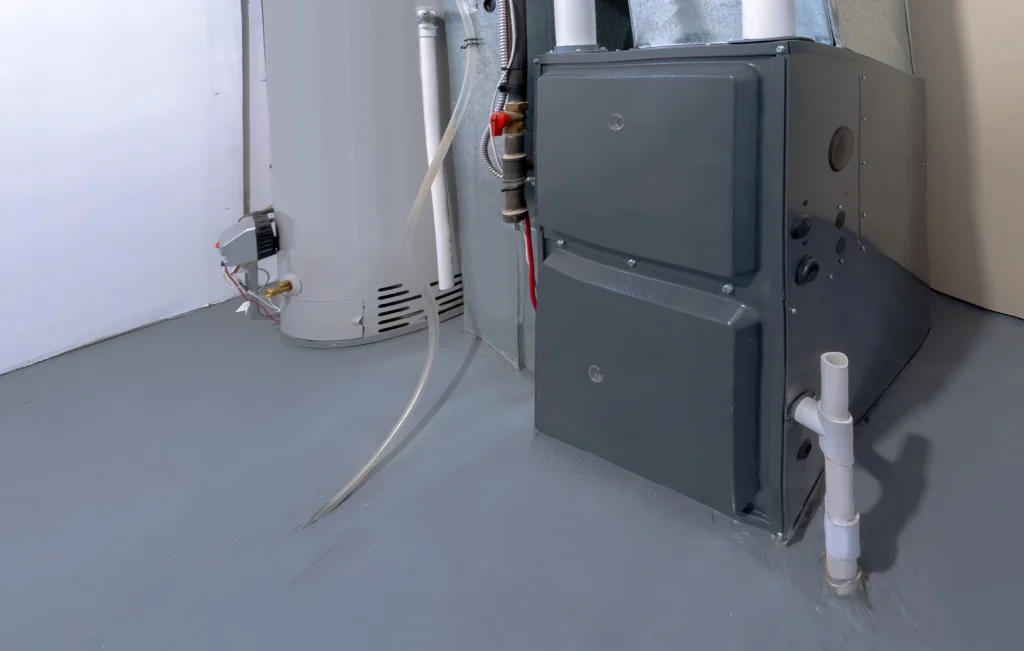
The limit switch monitors the furnace’s internal temperature. When it fails, it can trigger the furnace to shut off prematurely. A faulty switch not only disrupts heat cycles but can create safety risks if the furnace overheats.
Make sure to call Mideastern Plumbing, Heating & A/C Inc. if your furnace will not stop turning on & off in your Nashville, IL home.